If you’ve ever stood in front of the spice rack, confused by the two kinds of cinnamon — ceylon cinnamon sticks and Cassia cinnamon sticks— you’re not alone. Most people don’t even realize there’s a difference!
But if you love adding a sprinkle of cinnamon to your morning oats or your evening tea, it’s worth knowing what sets them apart. So, let’s dive into the delicious world of cinnamon and uncover how these two versions differ in flavor, texture, health, and purity.
1. The Origin Story: One Island vs. Many Lands
Ceylon cinnamon sticks come from Sri Lanka, often called the “True Cinnamon.” The island’s warm climate and rich soil give Ceylon cinnamon its signature light, floral aroma. The plant it comes from — Cinnamomum verum — literally means “true cinnamon,” which already tells you a lot about its authenticity.
Cassia cinnamon, on the other hand, is more like the distant cousin. It’s mainly grown in Indonesia, China, and Vietnam, coming from a different plant species called Cinnamomum cassia. While it’s still delicious, Cassia is more intense, darker, and far more common in stores because it’s cheaper and easier to produce.
So when you grab a bottle of cinnamon at your local market, chances are it’s Cassia unless it proudly says “Ceylon.” The two look almost the same at first glance, but once you know what to look for, the differences are easy to spot — and even easier to taste.

2. The Look and Feel: Paper-Thin vs. Thick and Tough
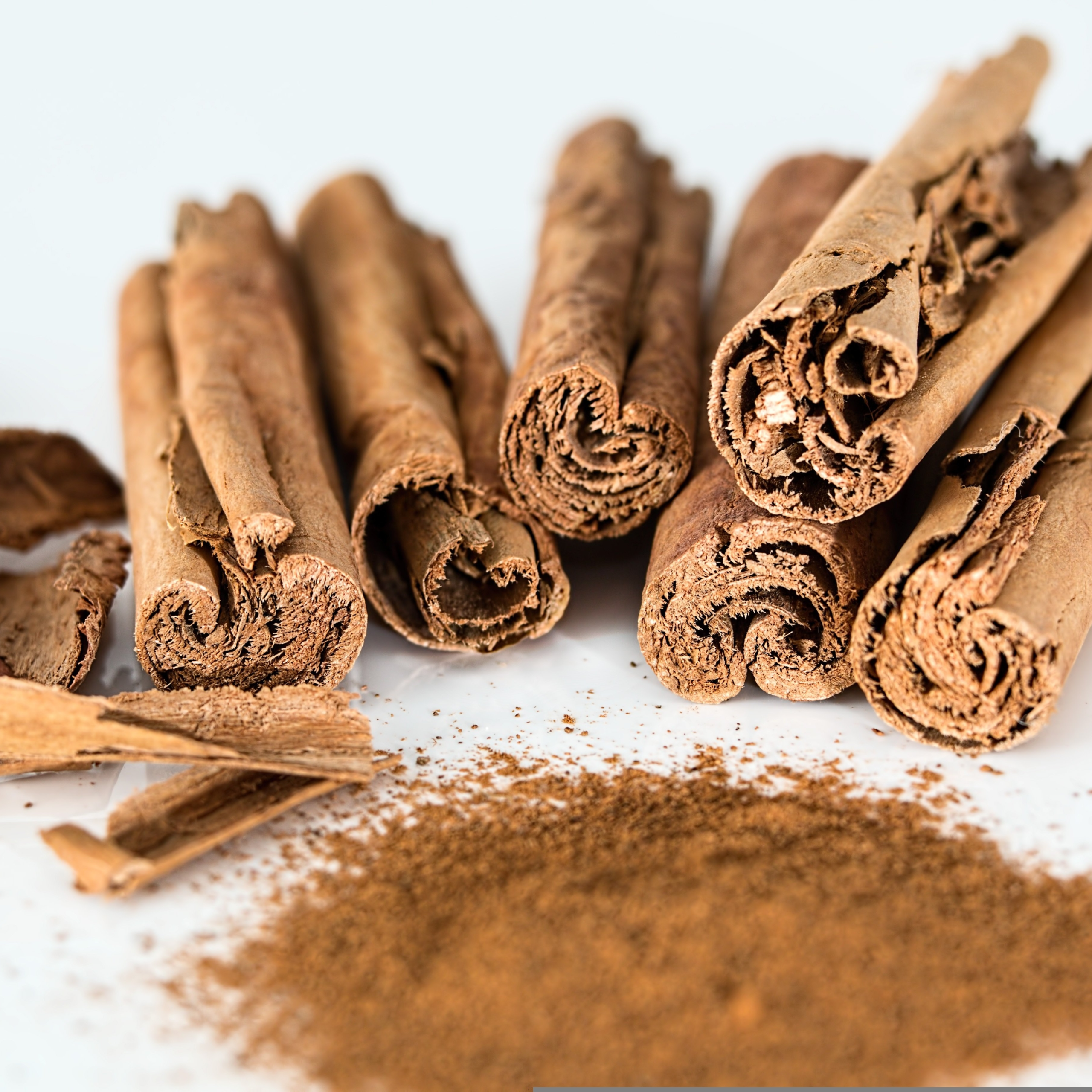
If you love adding cinnamon sticks to your tea or coffee, you’ll notice that Ceylon cinnamon sticks look delicate and elegant. They’re light brown, filled with multiple soft, paper-like layers that roll inward like a scroll. When you break them, they easily crumble — almost like a crisp wafer.
Cassia cinnamon sticks, however, tell a different story. They’re thicker, harder, and darker in color, with just one tough layer rolled tightly like a cigar. If you try breaking a Cassia stick, it usually resists or splinters because it’s much more solid.
Why does this matter? Well, the texture affects how they release flavor. Ceylon’s thin layers make it ideal for infusing into beverages and desserts, giving a gentle, sophisticated aroma. Cassia, being more robust, works better in recipes where you want a stronger, punchier flavor — like spicy curries or bold baking recipes.
So, if you’re looking for something subtle, smooth, and elegant, Ceylon cinnamon sticks are your go-to choice.
3. The Taste Test: Sweet and Gentle vs. Hot and Spicy
Taste is where the two cinnamons truly show their personalities. Ceylon cinnamon has a soft, sweet, almost citrusy flavor. It doesn’t overpower your dish — instead, it adds warmth and comfort, like a cozy blanket on a cool morning. That’s why it’s often used in fine desserts, teas, and even luxury chocolate blends.
Cassia cinnamon, on the other hand, is bolder and spicier. Its taste hits you right away, adding a strong punch that works wonderfully in savory dishes and traditional Indian or Chinese cooking. But if you accidentally use too much, it can dominate the flavor completely.
In simple terms: Ceylon whispers, Cassia shouts.
When you’re experimenting in your kitchen, try both and notice how they transform your dishes. A cup of hot water with Ceylon cinnamon sticks gives a mild, refreshing flavor, while Cassia turns it into something intense and fiery. Neither is “bad” — it just depends on what kind of taste adventure you want.
4. The Health Factor: Gentle Goodness vs. Too Much Coumarin
Here’s where it gets interesting — and a little scientific. Ceylon cinnamon is often considered the healthier choice because it contains very low levels of coumarin, a natural compound that can be harmful to your liver if consumed in large amounts.
Cassia cinnamon, unfortunately, has a lot more of it. That means if you’re someone who enjoys cinnamon tea daily or sprinkles cinnamon on your oatmeal every morning, Ceylon cinnamon sticks are the safer option for long-term use. You can enjoy their flavor without worrying about overdoing it.
Ceylon also has a lighter essential oil profile, rich in cinnamaldehyde, which gives it antioxidant and anti-inflammatory properties. So, not only does it taste elegant, but it also loves your body back.
5. Price and Availability: Quality Comes at a Cost
Because Ceylon is grown in smaller quantities and processed carefully, it’s naturally pricier than Cassia. Think of it as the gourmet version of cinnamon — rare, refined, and always worth it for those who care about purity and flavor balance.
Cassia, being more common, dominates supermarket shelves worldwide. But as awareness grows, more spice enthusiasts and health-conscious buyers are seeking authentic Ceylon cinnamon sticks for their superior quality and cleaner profile.
So next time you shop, don’t just grab any cinnamon — check the label. A little curiosity can lead you to a world of better flavor, better aroma, and better health.
In short:
Ceylon cinnamon is light, sweet, and refined — perfect for gentle flavor and daily health use. Cassia is bold, spicy, and intense — great for strong dishes but not ideal for frequent consumption. Knowing the difference helps you make smarter, tastier, and healthier choices every time you open that spice jar.
The Origin Story of “True” Cinnamon
If you’ve ever wondered where your cozy cup of cinnamon tea really begins, you’re about to find out. The story of Ceylon cinnamon sticks is not just about a spice — it’s about an island, an ancient tradition, and a journey filled with fragrance, patience, and a touch of tropical magic. So, grab a seat (maybe even with a cinnamon-infused coffee), and let’s travel back to where it all started — the birthplace of “True” Cinnamon.
1. Where the Story Begins: The Island of Spice and Sunshine
Ceylon cinnamon, also known as “True Cinnamon,” has its roots deep in the heart of Sri Lanka, a small but enchanting island in the Indian Ocean. This tropical paradise is where the world’s finest cinnamon trees grow, nurtured by warm sunshine, fertile soil, and refreshing monsoon rains.
The cinnamon tree, scientifically known as Cinnamomum verum, thrives in Sri Lanka’s humid climate and lush green hills. These trees are more than just plants — they are part of the island’s heritage, carefully cultivated by generations of farmers who treat them almost like family.
When you hold a piece of Ceylon cinnamon stick, you’re literally holding a slice of Sri Lankan history. Every roll of that delicate bark tells a story of farmers who rise with the sun, carefully peeling and drying each layer with precision and love. It’s a craft that has been perfected over centuries — not rushed, not industrialized, but proudly traditional.
2. A Spice So Precious, It Was Once Worth Its Weight in Gold
The story of Ceylon cinnamon isn’t just about farming — it’s a tale of global fascination. Thousands of years ago, this fragrant spice was considered more valuable than gold. Ancient traders from Egypt, Rome, and China sailed across dangerous seas just to get their hands on it.
Back then, the true origin of cinnamon was a mystery guarded closely by traders who wanted to protect their secret routes. Legends claimed cinnamon was harvested from the nests of mythical birds or found in remote lands blessed by the gods. The truth, of course, was far simpler — it was being quietly grown in Sri Lanka, a place that would later earn the nickname “The Island of Spices.”
As time passed, cinnamon became one of the most sought-after commodities in the world. Empires fought to control Sri Lanka’s cinnamon trade. The Portuguese arrived in the early 1500s, followed by the Dutch and later the British — all eager to dominate this small island’s precious treasure.
It’s fascinating to think that the Ceylon cinnamon sticks sitting in your kitchen today share a lineage with the same spice that once changed the course of history.
3. The Ancient Art of Harvesting True Cinnamon
Unlike many spices that are simply ground or dried, Ceylon cinnamon requires real craftsmanship to harvest. Farmers cut slender branches from the cinnamon tree, remove the outer bark, and gently scrape off the inner bark that curls naturally into those elegant rolls we know as cinnamon sticks.
This process isn’t done by machines — it’s done entirely by hand. Each stick you see in a jar or tied together in a bundle has passed through patient, experienced hands. The delicate layers are then dried under the Sri Lankan sun until they achieve their signature golden-brown color and rich aroma.
No part of the process is rushed. The timing, humidity, and even the angle of the cut matter. It’s this precision that gives Ceylon cinnamon sticks their signature soft texture and refined flavor — light, sweet, and slightly floral compared to the bold Cassia variety.
Every step, from branch to bundle, reflects the Sri Lankan philosophy of harmony with nature. Nothing artificial, nothing forced — just pure, organic patience and craftsmanship.
4. From Ancient Trade Routes to Your Kitchen Shelf
Over centuries, Ceylon cinnamon has journeyed far from its island home. It’s traveled across oceans, through spice markets, and into countless homes around the world. Yet, despite its global fame, the charm of Ceylon cinnamon remains deeply connected to Sri Lanka’s humble farmers and their age-old traditions.
Today, Sri Lanka still produces over 80% of the world’s “True” cinnamon. The spice continues to symbolize purity and authenticity — values that make it stand out in a world where mass production often replaces natural quality. When you choose Ceylon cinnamon sticks, you’re not just buying a spice; you’re embracing a story that has survived for thousands of years.
Imagine sprinkling cinnamon over your dessert or steeping a stick into hot tea — that’s centuries of craftsmanship flavoring your moment. The subtle sweetness and light aroma that fills the air come from a spice once fit for kings and explorers alike.
5. The Legacy of Purity and Pride
What makes Ceylon cinnamon truly special isn’t just its taste; it’s the unwavering purity behind every harvest. Farmers in Sri Lanka continue to use eco-friendly methods, hand-peeling techniques, and sustainable practices to keep the legacy alive.
This dedication ensures that when you use Ceylon cinnamon sticks, you’re enjoying the same authentic spice that ancient civilizations once revered. It’s pure, natural, and proudly untouched by shortcuts.
In every sense, Ceylon cinnamon isn’t just “true” by name — it’s true by nature, culture, and heart. It’s a living connection between the past and your plate, bringing the aroma of Sri Lankan sunshine straight into your kitchen.
In short:
The story of Ceylon cinnamon is more than a history lesson — it’s a celebration of purity, patience, and tradition. It’s proof that sometimes the smallest things, like a single fragrant stick, can carry the weight of centuries and still bring joy to your cup or dish today.
Health Benefits Backed by Modern Science
If you’ve ever felt like your favorite cinnamon has magical powers, you’re not entirely wrong! For centuries, people have used cinnamon for healing, flavor, and even rituals of good luck. But today, science has stepped in to confirm what ancient cultures already knew — Ceylon cinnamon sticks are packed with real, measurable health benefits. So, let’s explore how this fragrant spice goes beyond the kitchen and into the world of wellness, with a little help from modern research.
1. A Natural Blood Sugar Balancer
Let’s start with one of the most famous benefits — blood sugar control. You might’ve heard that cinnamon helps manage blood glucose, and yes, that’s true! But here’s the catch — not all cinnamons are created equal. Research shows that Ceylon cinnamon, often called “True Cinnamon,” can help improve how your body responds to insulin, the hormone that regulates blood sugar levels.
What’s happening inside your body is actually quite fascinating. The natural compounds in Ceylon cinnamon, especially cinnamaldehyde, work at a cellular level to make your cells more sensitive to insulin. That means your body can move sugar from your blood into your cells more efficiently — a win for anyone keeping an eye on energy levels or managing blood sugar naturally.
Unlike Cassia cinnamon, which contains high levels of coumarin (a compound that can stress your liver), Ceylon cinnamon sticks offer these benefits safely when used regularly. That’s why health experts often call it the “gentle healer” of the spice world.
So, next time you sprinkle some on your oats, remember — it’s not just adding flavor; it’s giving your body a little metabolic boost.
2. Loaded with Antioxidants and Anti-Inflammatory Power
Here’s something you’ll love to know — Ceylon cinnamon is a powerful source of antioxidants, which are basically your body’s personal defense squad against damage and aging. These antioxidants help neutralize free radicals, those unstable molecules that can harm your cells and speed up aging.
In scientific studies, cinnamon has been found to contain polyphenols, which have both antioxidant and anti-inflammatory effects. This means it doesn’t just protect your body from oxidative stress but also helps reduce internal inflammation — the kind that quietly contributes to heart disease, joint pain, and even fatigue.
Think of it this way: every time you sip warm tea made with Ceylon cinnamon sticks, you’re giving your body a gentle detox and stress relief session — minus the fancy spa bill.
And the best part? Its soothing aroma also plays a role in reducing stress hormones. Several studies show that the scent of cinnamon can help calm your mind, improve mood, and even enhance focus. So, a cinnamon-scented kitchen isn’t just cozy; it’s scientifically uplifting!
3. Supporting Heart and Brain Health
When it comes to protecting your heart, Ceylon cinnamon quietly works in the background. Research suggests that its active compounds may help lower LDL (bad cholesterol) while maintaining HDL (good cholesterol). That balance helps keep your arteries clear and your heart happy.
There’s more — cinnamon also supports healthy blood circulation. It can slightly relax blood vessels and promote smoother flow, which is one reason it feels naturally warming when you drink it in tea.
But the real surprise comes when we look at its potential effects on the brain. Studies have shown that cinnamon’s active components may help protect brain cells and support memory and learning functions. Some early research even hints that regular intake could help slow down cognitive decline as we age.
Imagine that — your daily dash of Ceylon cinnamon sticks could be gently helping your heart and sharpening your mind, all while making your food smell amazing. Who knew a spice could multitask so well?
4. Gut Health, Immunity, and Beyond
Here’s where Ceylon cinnamon really flexes its natural power. It’s not just a flavor enhancer — it’s a friend to your gut too. The essential oils found in Ceylon cinnamon sticks have mild antibacterial and antifungal properties that help maintain a healthy balance of gut bacteria.
A happy gut means better digestion, stronger immunity, and even better mood regulation. If you’ve ever had a slightly upset stomach, a warm cinnamon drink can calm it down naturally. Ancient healers used it for bloating, nausea, and even mild infections — and now modern science supports those uses too.
Cinnamon’s antimicrobial properties also help prevent the growth of certain harmful bacteria and fungi, including E. coli and Candida albicans. This makes it one of those rare spices that are both delicious and protective.
Plus, some studies suggest that its compounds can enhance immune response by boosting white blood cell activity. So, while cinnamon won’t replace your vitamins, it can definitely give your immune system an extra edge.
5. How Much Is Just Right?
Now that you know the science-backed benefits, the next big question is — how much cinnamon is enough? The good news is, you don’t need much! Just half a teaspoon of Ceylon cinnamon powder or a single Ceylon cinnamon stick steeped in tea daily can offer noticeable health perks over time.
Remember, balance is key. Because Ceylon cinnamon contains very little coumarin, it’s safe for regular use compared to Cassia. So, whether you’re adding it to smoothies, curries, or your morning coffee, it’s one of those small habits that can make a big difference.
6. The Takeaway: Sweet Flavor, Strong Science
Modern science has finally caught up with what ancient cultures always believed — cinnamon isn’t just a spice; it’s nature’s wellness secret. From balancing blood sugar and supporting your heart to calming inflammation and enhancing brain health, Ceylon cinnamon sticks are truly in a league of their own.
So go ahead — sprinkle it, stir it, or steep it. Let its gentle sweetness remind you that sometimes the simplest things from nature can bring the most powerful benefits. And the next time someone calls cinnamon “just another spice,” you’ll know better — it’s your tiny, fragrant dose of science-backed goodness.
How to Choose the Best Sticks for Daily Use
You might think all cinnamon sticks are the same, but trust me — they’re not! If you’ve ever opened a jar of cinnamon that smelled dull or tasted bitter, you’ve probably met Cassia, not her elegant cousin, Ceylon. Choosing the right cinnamon can completely change how your tea tastes, how your desserts smell, and even how you feel after using it regularly. So, let’s uncover how to find and choose Ceylon cinnamon sticks that truly deserve a place in your spice cabinet.
1. Look Matters: Spotting the Real Ceylon Cinnamon
Let’s start with your eyes — they can tell you more than you think! When you pick up a stick of Ceylon cinnamon, you’ll notice it looks lighter in color, usually a soft tan or golden brown. The texture is delicate and layered, almost like thin sheets rolled together. When you press it gently, it crumbles easily — that’s a good sign. It’s fragile because it’s pure inner bark, rolled naturally after drying.
Cassia cinnamon, on the other hand, looks darker and thicker. Its single, hard layer rolls into a tight curl, much like a cigar. If it’s too tough to break with your fingers, it’s likely Cassia.
One quick trick: look at the ends of the sticks. Ceylon’s ends resemble many fine layers rolled up, while Cassia has a single, solid scroll. Once you’ve seen both side by side, you’ll never mistake them again.
So, the next time you shop, look for those gentle, scroll-like layers. Your nose and taste buds will thank you later!
2. Follow Your Nose: Aroma Tells the Truth
Cinnamon’s charm is all about its aroma — warm, sweet, and a little magical. That scent can tell you instantly whether you’re holding the real deal. Ceylon cinnamon sticks have a subtle fragrance that feels light and refreshing. It’s sweet, floral, and slightly citrusy, never harsh or overpowering.
Cassia’s aroma, however, is sharp and spicy, almost hot. It might feel exciting at first, but it lacks the gentle depth that true Ceylon offers. Think of Ceylon’s fragrance as a cozy hug, while Cassia is more like a spicy handshake that lingers too long.
Here’s a fun tip: if you’re not sure which one you have, place a stick in warm water for a minute. The natural oils in Ceylon cinnamon will gently release a soothing, golden aroma — something Cassia can’t quite replicate. It’s a simple but foolproof test to confirm purity.
3. Check the Source: Labels, Origin, and Certifications
Sometimes, the easiest way to know your cinnamon’s quality is right on the label. True Ceylon cinnamon sticks almost always come from Sri Lanka, the home of authentic “True Cinnamon.” When shopping, look for mentions of Cinnamomum verum on the packaging — that’s the botanical name of real Ceylon cinnamon.
If the label only says Cinnamomum cassia or Cinnamomum aromaticum, it’s Cassia. Some brands even mix the two, so always read carefully. Choosing trusted suppliers that clearly mention “Ceylon” and “Sri Lanka origin” is your best safeguard against imitation products.
Bonus tip: certifications like Fair Trade, Organic, or ISO-certified often indicate higher purity and better handling standards. While they’re not mandatory, they do add credibility, especially if you’re using cinnamon regularly for health purposes.
Remember, paying a little more for authentic cinnamon means you’re investing in quality, sustainability, and your own well-being.
4. Texture, Taste, and Freshness: The Final Test
Once you bring your cinnamon home, there’s one last check — freshness. Ceylon cinnamon sticks should break easily, not bend or splinter. Their color should be warm and even, not grayish or dull. When you break a stick and take a sniff, the aroma should instantly bloom with sweetness.
Taste-wise, Ceylon cinnamon is mild and naturally sweet. If it burns your tongue or feels overly spicy, it’s not the real one. True cinnamon enhances flavors without overpowering them, which is why chefs love using it in desserts, teas, and even savory curries.
For storage, keep your sticks in an airtight glass jar away from sunlight. Whole sticks last longer than powder, often staying fragrant for up to a year. You can grind them in small batches to keep that fresh, warm scent alive in your kitchen.
And yes — a little goes a long way. Just one Ceylon cinnamon stick in your tea or coffee can make your entire kitchen smell like a cozy café.
5. Choosing Based on Use: What’s Best for You
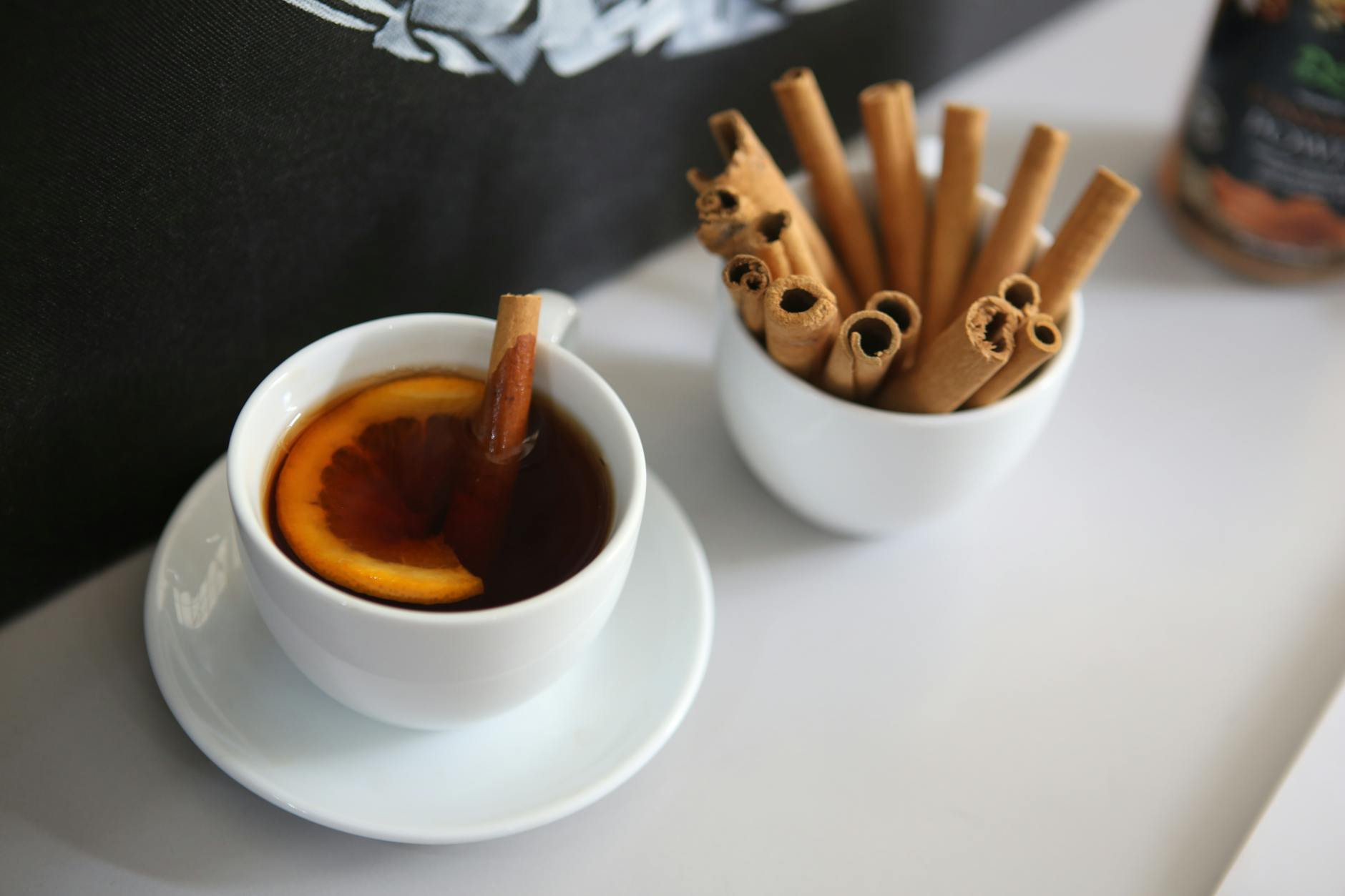
If you’re someone who enjoys cinnamon tea daily, go for Ceylon cinnamon sticks rather than powder. They’re easier to steep, gentler on the stomach, and can be reused once or twice before losing their flavor.
For baking, powdered Ceylon cinnamon works wonders — it blends smoothly into doughs, batters, and frostings without overpowering the sweetness. If you make smoothies, curries, or spiced milk, add a half-stick while cooking, then remove it before serving for a subtle aroma.
And if you’re using cinnamon for health — like blood sugar control or digestion — always choose Ceylon. It’s lower in coumarin, meaning it’s safe for daily use compared to Cassia, which can build up harmful levels over time.
6. The Takeaway: Choose Wisely, Taste Deeply
Choosing the right cinnamon is like choosing a good coffee or fine chocolate — once you taste the real thing, you’ll never go back. The difference between Cassia and Ceylon isn’t just flavor; it’s purity, safety, and the story behind every stick.
Ceylon cinnamon sticks give you that elegant balance of aroma, sweetness, and health benefits — all packed into one golden swirl of bark. So, next time you’re at the store or browsing online, take a few extra seconds to read the label, observe the color, and trust your nose.
Because when it comes to cinnamon, it’s not just about seasoning your food — it’s about choosing authenticity, honoring centuries of Sri Lankan craftsmanship, and enjoying every fragrant moment.