🌄 Spices from the Land of Mountains: Nature’s Purest Flavours Uncovered
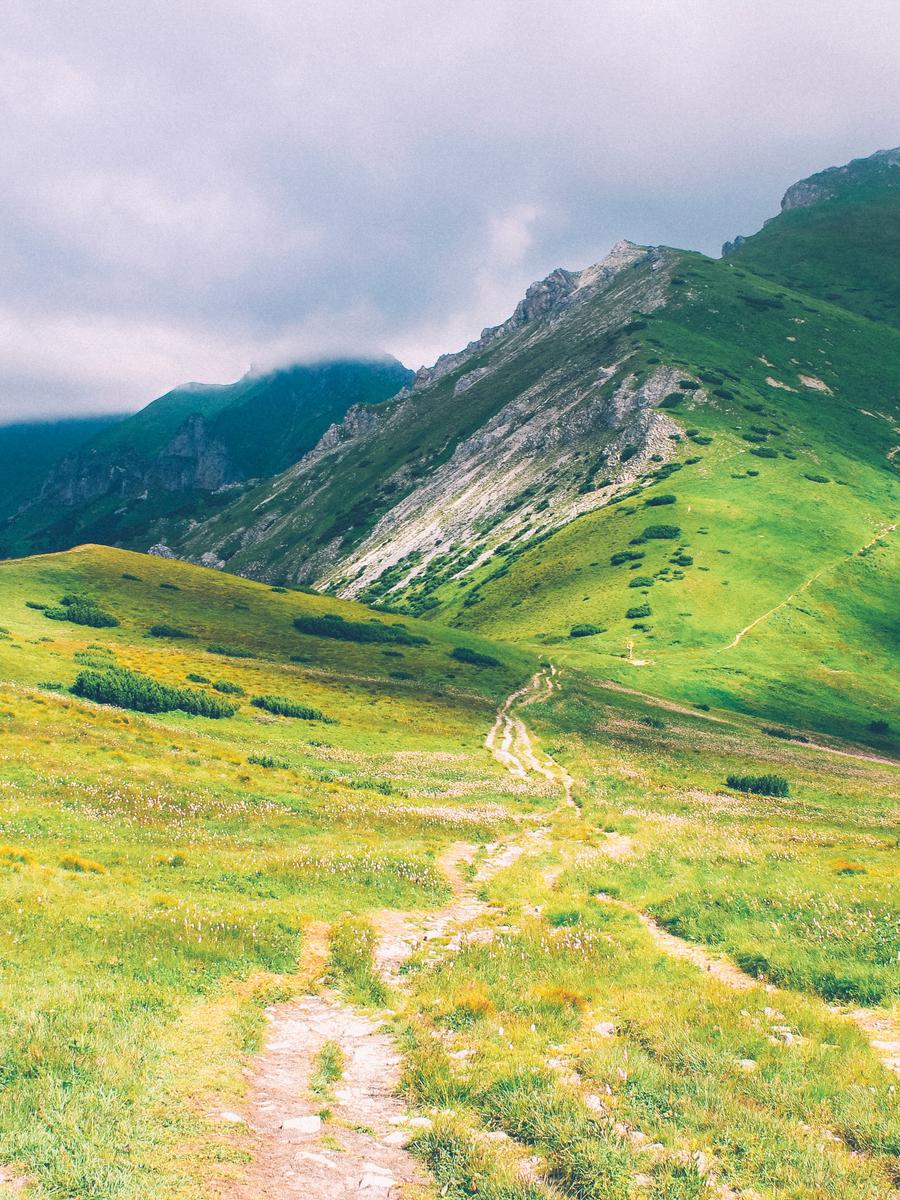
From the snow-capped Himalayas to the rugged hills of the Western Ghats, India’s mountain regions have long been the cradle of some of the world’s most aromatic and potent spices that is why it known as spices from land of mountains. In this guide, we dive deep into what makes these spices unique, why they’re prized globally, and how you can use them to elevate your culinary experiences.
1. The Legacy of Mountain-Grown Spices
Mountain soil is unlike anything found on plains — mineral-rich, untouched, and nourished by pristine streams. When spices grow at higher altitudes, they absorb maximum essential oils, resulting in richer aroma, deeper colour, and stronger potency.
Why Mountain Spices Are Superior
- Grown in low-pollution, high-oxygen environments
- Rich soil packed with trace minerals
- Naturally resistant to pests → minimal chemical use
- Slow growth cycle → intensified flavour profile
Whether it’s the Himalayas of India or the mountains of Nepal, Bhutan, and Kashmir, these regions shape spices into powerful natural treasures.
2. Top Spices Harvested in the Mountain Regions
These spices don’t just enrich dishes—they preserve ancient cultures, traditional health systems, and mountain livelihoods.
🌺 Kashmiri Saffron
Known as “Red Gold,” Kashmiri saffron is the world’s most expensive spice. Its deep crimson strands contain high crocin levels, giving it unmatched aroma and colour.
🌿 Himalayan Timur (Szechuan Pepper)
A zesty, tongue-tingling spice used in soups, pickles, and chutneys. Loved for its citrusy aroma and unique numbing effect.
🟤 Cardamom from the Western Ghats
Considered the “Queen of Spices,” mountain-grown cardamom has a stronger aroma and richer essential oil content than lowland varieties.
🌶️ Bhut Jolokia & Mountain Chillies
From Nagaland’s steep hills comes one of the world’s hottest chillies—fiery, smoky, and unforgettable.
Other High-Altitude Gems
- Himalayan wild garlic
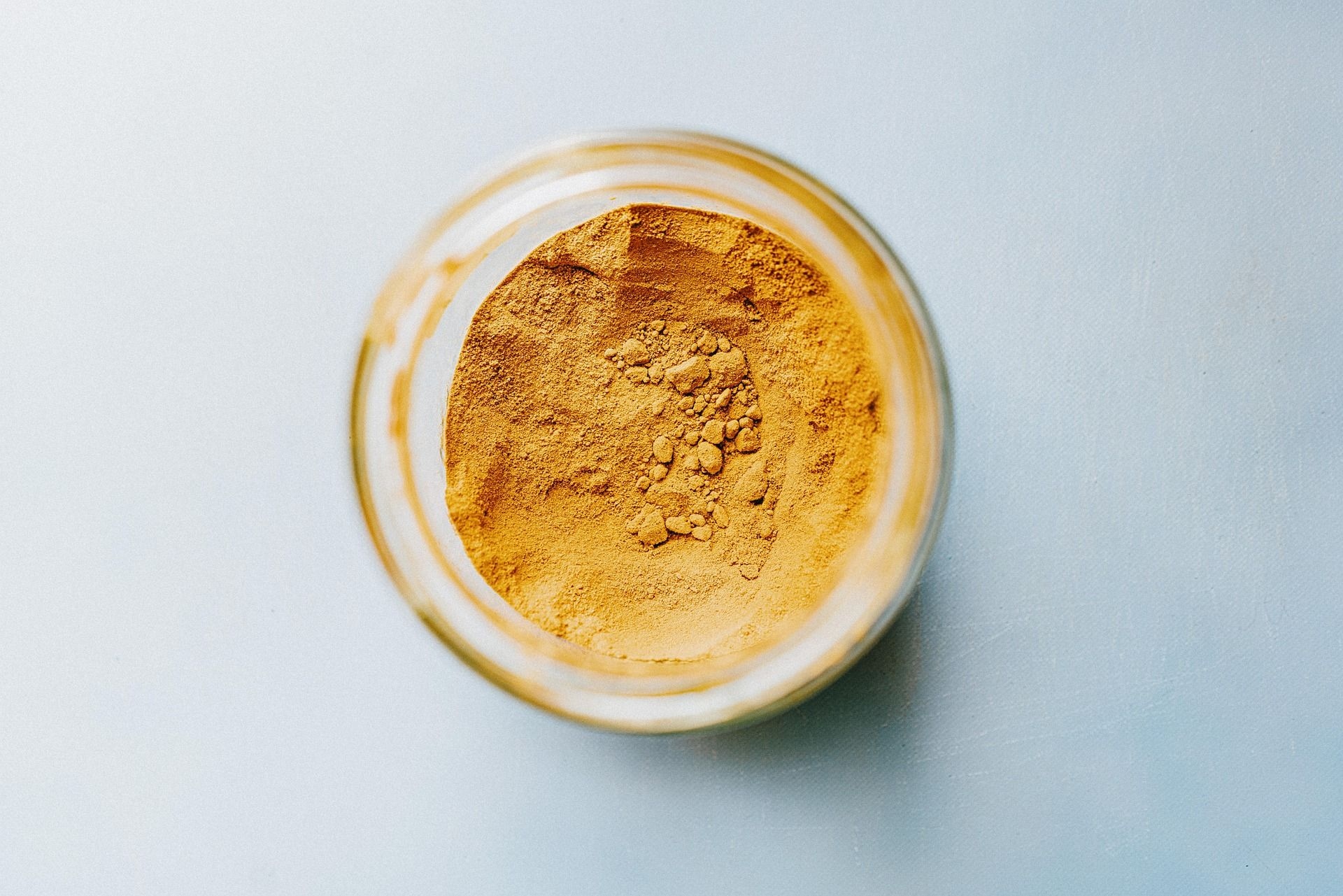
- Mountain turmeric
- Bay leaves from Uttarakhand
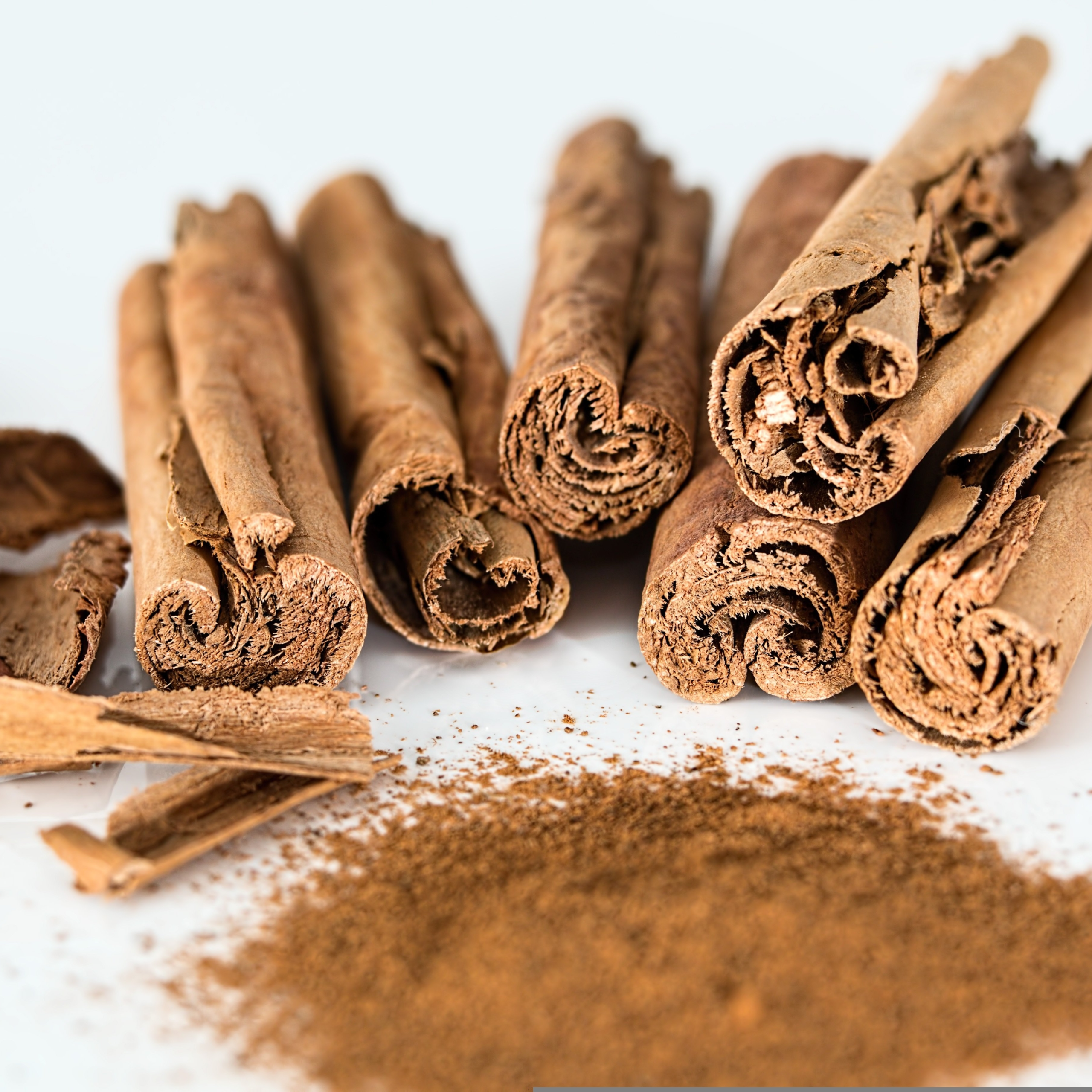
- Darjeeling cinnamon
Each spice carries both culinary and medicinal value rooted in Ayurveda and local traditions.
3. Health Benefits of Mountain-Grown Spices
These spices are more than flavours—they are natural medicine sources packed with antioxidants and anti-inflammatory compounds.
Key Benefits
- Improve digestion and metabolism
- Boost immunity and respiratory health
- Enhance blood circulation
- Help regulate stress and inflammation
- Deliver stronger antioxidant protection
For example, saffron is known to boost mood and skin health, while cardamom helps detoxify the body and support heart function.
4. How to Use Mountain Spices in Your Daily Cooking
You don’t need to be a chef to enjoy these premium spices. Here are smart ways to add them to everyday dishes:
Simple & Delicious Uses
- Add a pinch of saffron to milk, biryani, or desserts.
- Use mountain cardamom to elevate chai, pulao, or sweet preparations.
- Prepare Timur-spiced chutneys for a citrusy kick.
- Mix mountain turmeric into soups or turmeric lattes.
- Sprinkle Bhut Jolokia flakes to add fiery heat to noodles or curries.
Storage Tips for Maximum Freshness
- Store spices in air-tight glass jars
- Keep away from moisture & direct sunlight
- Buy whole spices, grind only when needed
This preserves essential oils and maintains authentic mountain flavour.
5. The Cultural & Economic Importance of Mountain Spices
Beyond taste and health, mountain spices play a crucial role in sustaining entire communities.
Livelihood & Local Communities
- Many mountain households depend solely on spice farming.
- Spices like saffron and cardamom support thousands of small farmers.
- Traditional hand-harvesting methods preserve both culture and quality.
Sustainable & Organic by Tradition
Mountain agriculture is naturally:
- Low in pesticides
- Dependent on clean rainfall
- Supported by terrace farming
- Focused on slow, patient cultivation
Global Demand & Export Value
- Indian saffron is among the most sought-after globally.
- Cardamom exports contribute massively to India’s spice economy.
- Rare mountain spices are used in luxury cosmetics, perfumes, and premium food brands.
Including this cultural, environmental, and economic angle enriches the SEO value while strengthening reader trust.


✨ Bonus Section: Why Mountain Spices Taste Better Than Others
6. Science Behind the Superior Aroma
Spices grown at high altitudes naturally develop:
- Higher volatile oil content
- Stronger phytochemicals
- More vibrant colour pigments
- Improved moisture balance
- Natural resistance to pests
This is why mountain-grown spices smell stronger the moment you crack them open.
Example Comparisons
- Mountain cardamom has double the aroma of mass-produced varieties.
- Himalayan turmeric has brighter colour & higher curcumin.
- Timor pepper has a unique citrus kick not found in regular pepper.
This scientific advantage adds more authority and depth to your article.
🌟 Final Thoughts
Spices from the Land of Mountains are more than ingredients — they represent purity, tradition, and centuries of Himalayan and highland wisdom. Their unmatched aroma, rich colour, and remarkable health benefits make them essential in both cooking and wellness.
By choosing mountain-grown spices, you’re not just elevating your meals…
You’re supporting sustainable farming, preserving indigenous traditions, and embracing nature’s purest, most powerful flavours.